
Explore travertine-inspired texture and stone forms for decorative lighting. Verify the actual material composition for each model. If natural travertine is specified, confirm pores, filling, surface finish, dimensions, weight and the variation allowed against the approved sample.
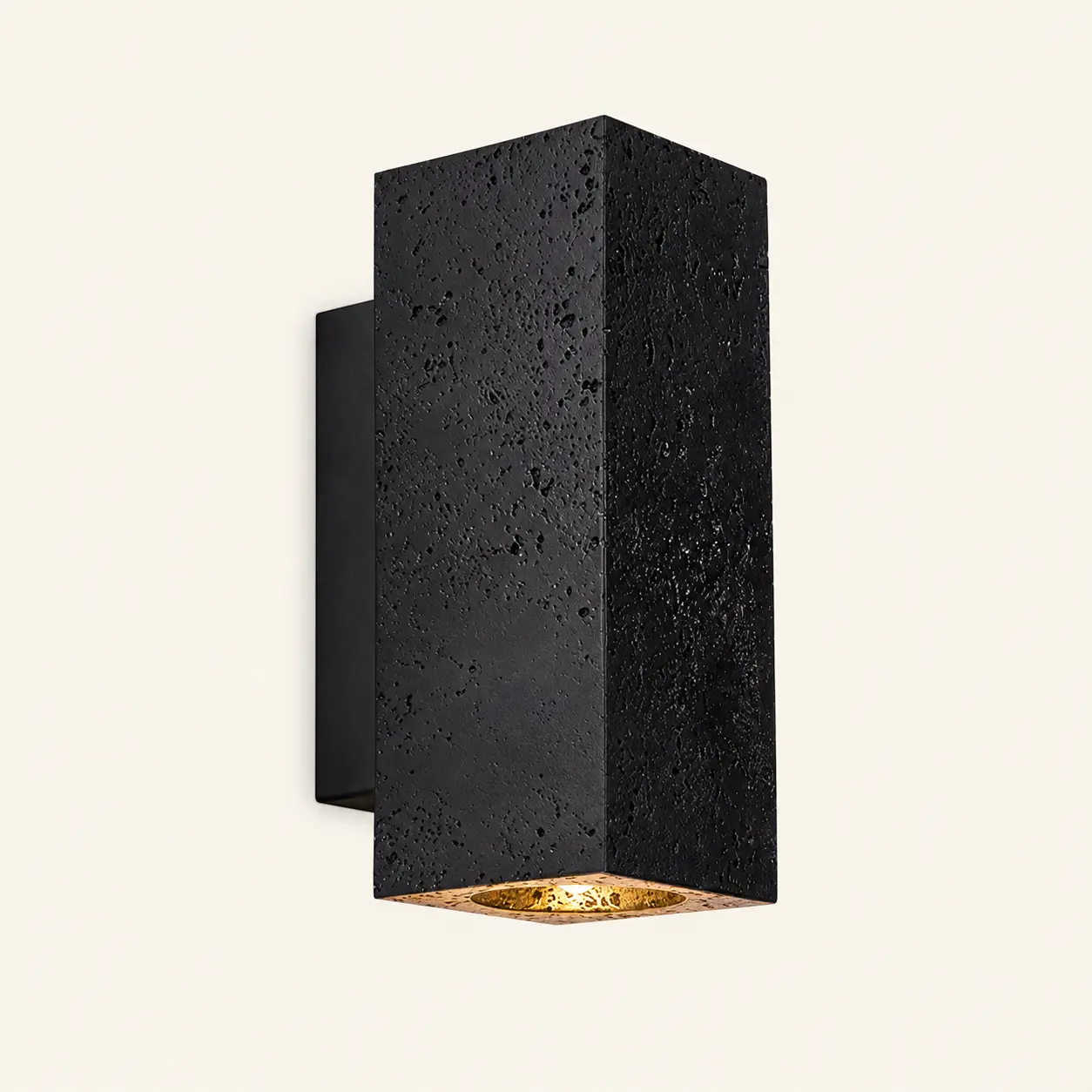
-
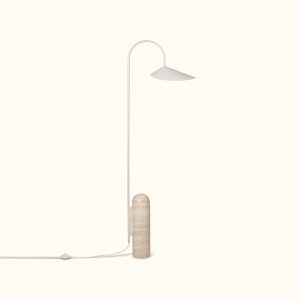 HPL-001380
Aluminum Petal Shade Travertine Floor Lamp
Read more -
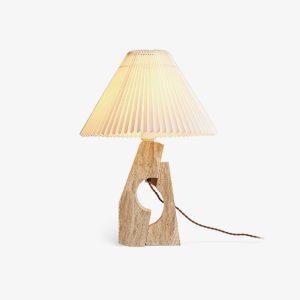 HPL-002109
Open Cutout Travertine Fabric Table Lamp
Read more -
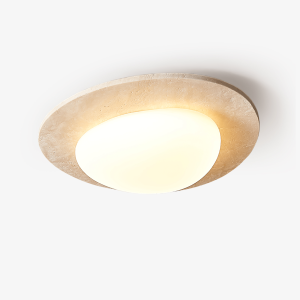 HPL-002230
Oval Travertine Plastic LED Ceiling Light
Read more -
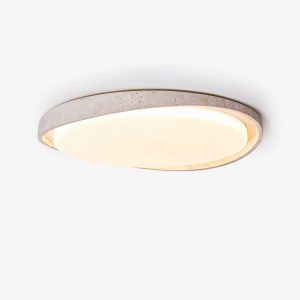 HPL-002221
Recessed Travertine Rim Acrylic LED Ceiling Light
Read more -
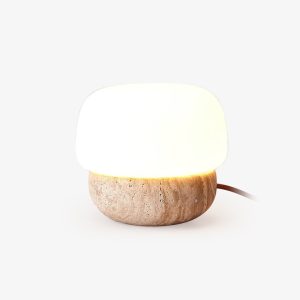 HPL-001971
Rounded Travertine Glass Mushroom Table Lamp
Read more -
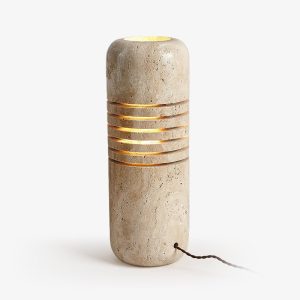 HPL-001782
Slotted Travertine Cylinder Floor Lamp
Read more -
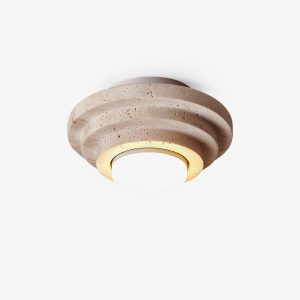 HPL-002053
Stepped Travertine Metal Ceiling Light
Read more -
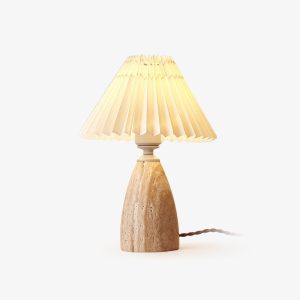 HPL-001970
Tapered Travertine Fabric Shade Table Lamp
Read more -
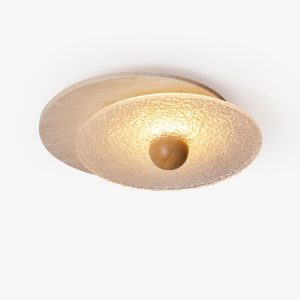 HPL-002058
Textured Glass Travertine Wood LED Ceiling Light
Read more -
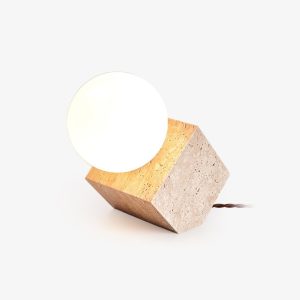 HPL-001968
Tilted Travertine Cube Glass Globe Table Lamp
Read more -
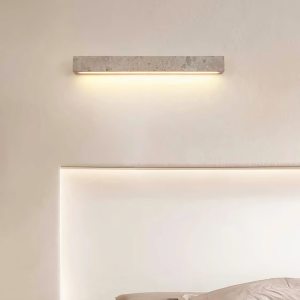 HPL-000408
Travertine & Acrylic Linear Wall Sconce
Read more -
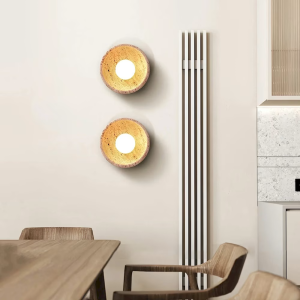 HPL-000405
Travertine & Glass Bowl Globe Wall Sconce
Read more
Travertine lighting: specification and production
Travertine lighting briefs often centre on a porous appearance and the relationship between a stone form and its light source. HuPoLux can manufacture the finished fixtures displayed here. Confirm whether each chosen component uses natural travertine, another composite or a stone-look material. If natural travertine is selected, review pore size, filling, surface finish and acceptable variation, alongside fixture weight and mounting.
Details for your factory quotation
- Confirm the exact composition of each travertine-described body, shade or base.
- For natural travertine, agree pore appearance, filled areas and acceptable colour variation.
- Check fixture weight and fixing details rather than inferring construction from a porous surface.
Should travertine pores be left open or filled?
That is a finish decision for the chosen component, not a category-wide rule. If natural travertine is specified, review open and filled areas on the sample and agree the intended appearance and care requirements.
Does a porous travertine appearance mean light passes through the stone?
No. Surface pores do not establish translucency or the light path. Confirm the actual material, openings and light-source position in the selected design, and review the assembled fixture illuminated.
Compare Travertine lighting by fixture type
Start with the fixture type, then compare the actual composition, dimensions and light source on each model page.
For a useful quotation
Send model references, the size and quantity for each configuration, finish preferences and destination market. Samples, MOQ, electrical requirements, packing and lead time are confirmed for the selected order.