
Fabric shades offer a broad range of texture, colour and light diffusion. Specify shade dimensions, fibre composition, lining, colour and fitting details for the selected fixture. Review the actual sample with the intended light source and confirm packing and cleaning requirements.
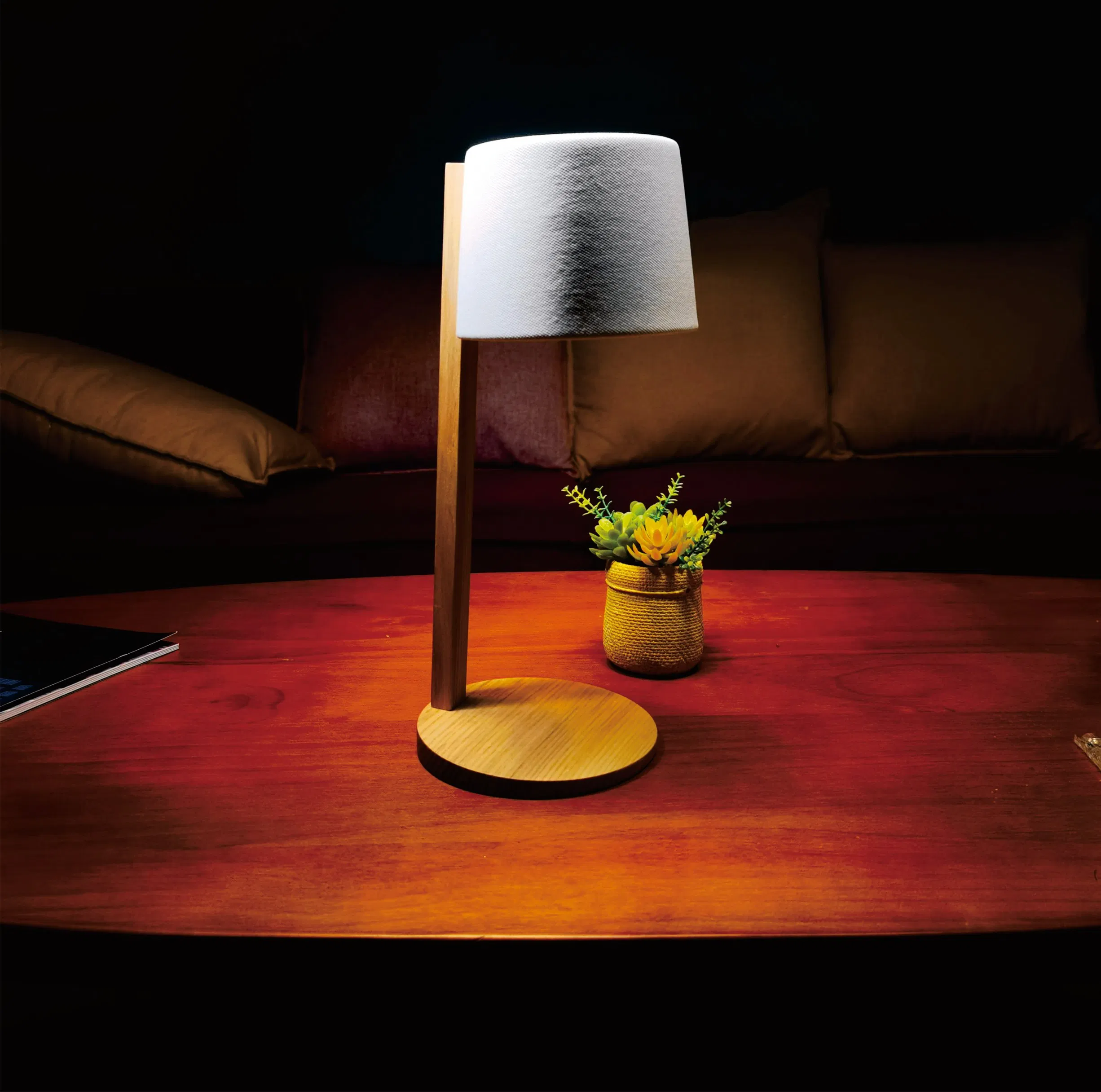
-
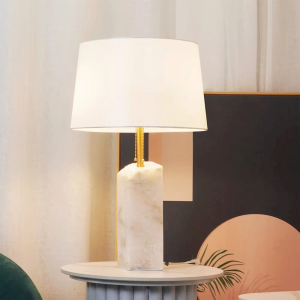 HPL-000003
Alabaster & Fabric Table Lamp
Read more -
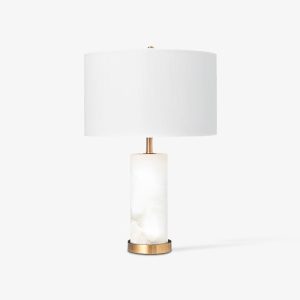 HPL-001982
Alabaster Cylinder Fabric Shade Table Lamp
Read more -
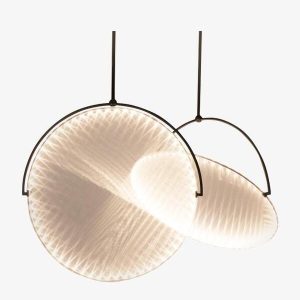 HPL-002201
Angled Cloth Disc Metal Frame LED Pendant Light
Read more -
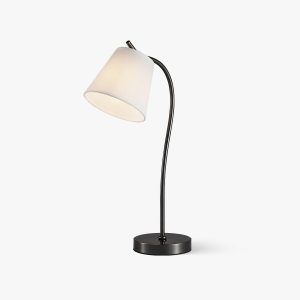 HPL-002261
Arched Metal Stem Fabric Shade Table Lamp
Read more -
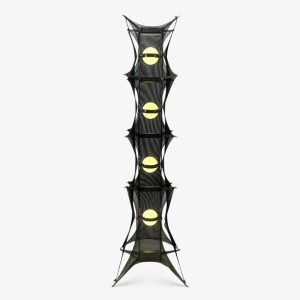 HPL-002415
Black Fabric Mesh Metal Tower Floor Lamp
Read more -
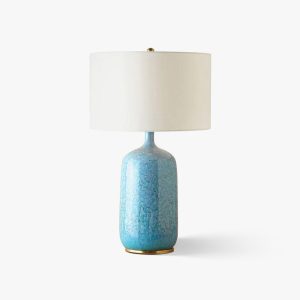 HPL-002362
Blue Ceramic Bottle Fabric Drum Table Lamp
Read more -
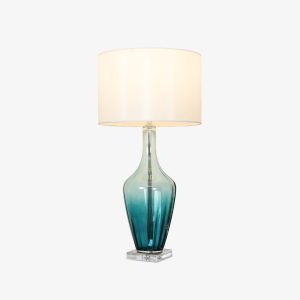 HPL-002253
Blue Glass Vase Fabric Drum Table Lamp
Read more -
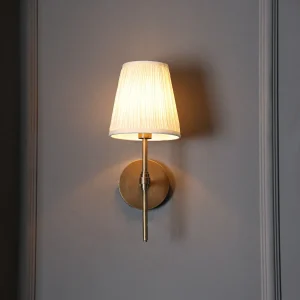 HPL-000872
Brass & Fabric Pleated Wall Sconce
Read more -
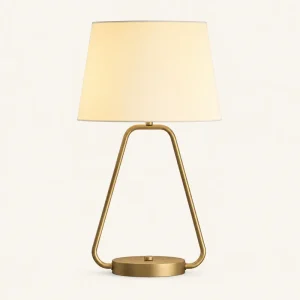 HPL-000983
Brass & Fabric Table Lamp
Read more -
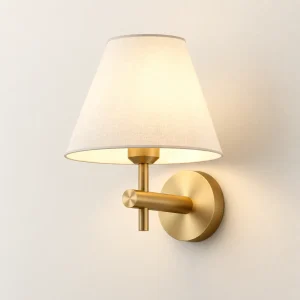 HPL-001015
Brass & Fabric Wall Sconce
Read more -
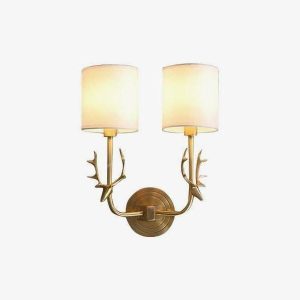 HPL-002199
Brass Antler Arm Fabric Shade Wall Sconce
Read more -
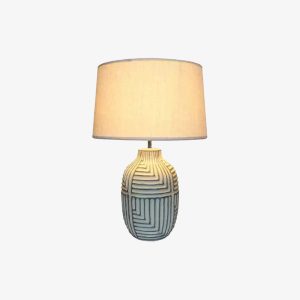 HPL-001587
Carved Wood Vessel and Fabric Shade Table Lamp
Read more
Fabric lighting: specification and production
A fabric shade changes character between daylight and illumination, with weave, colour and lining all contributing to the result. HuPoLux can manufacture the finished decorative lights in this collection. Specify the textile composition and shade dimensions, then review seams, edging and the supporting frame. Approve the shade with the intended light source to assess its appearance from the relevant viewing positions.
Details for your factory quotation
- Specify outer fabric, lining and shade colour as separate details.
- Review seam placement, edging and frame visibility on an illuminated sample.
- Confirm shade fitting, cleaning instructions and protection against crushing during transport.
Why can the same fabric look different when a lamp is switched on?
The weave, lining and light-source colour can change the visible shade colour and texture. Review a lit sample of the intended combination instead of approving the outer fabric swatch alone.
Where should a fabric shade seam be positioned?
Identify the main viewing direction and any fixed orientation of the lamp. Ask for seam placement to be reviewed for that design, including whether the shade can rotate after fitting.
Compare Fabric lighting by fixture type
Start with the fixture type, then compare the actual composition, dimensions and light source on each model page.
For a useful quotation
Send model references, the size and quantity for each configuration, finish preferences and destination market. Samples, MOQ, electrical requirements, packing and lead time are confirmed for the selected order.