Specify the actual material and optical construction before choosing between glass and acrylic decorative lighting. A photograph can show the shape, but the model specification must establish the composition. Compare the sample, mounting details and replacement parts as well as the appearance.
Two designs, two different material specifications
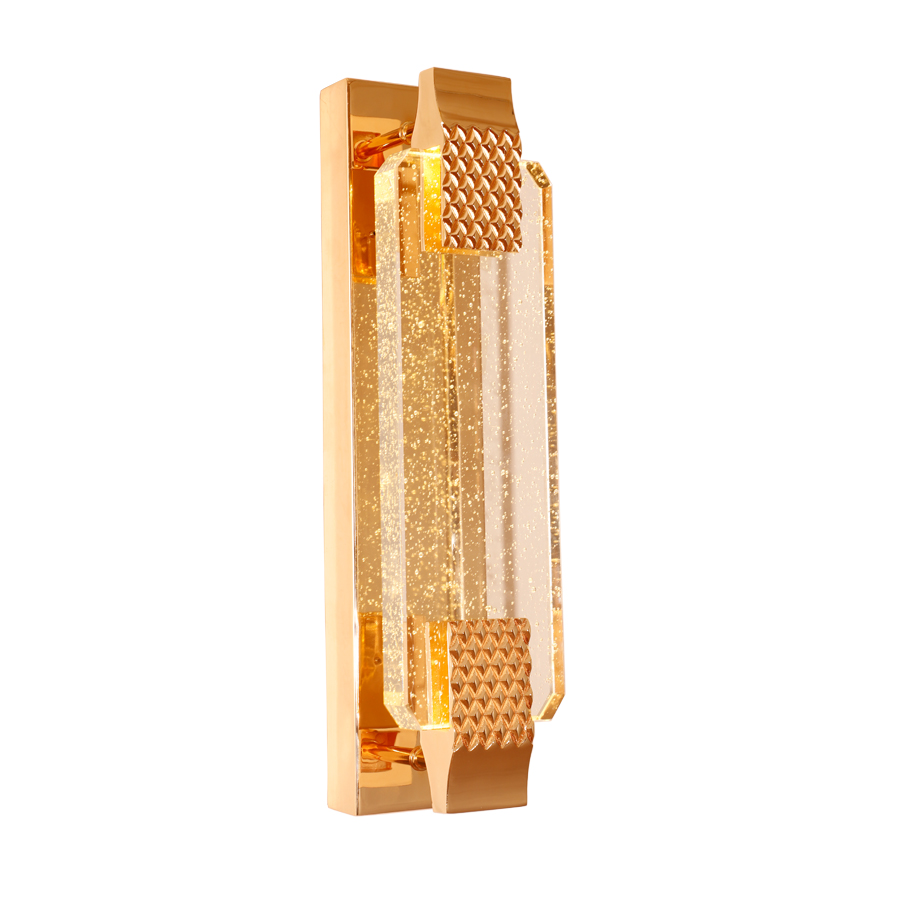
HPL-001410 is a rectangular wall sconce listed as Crystal Glass+Metal. Its recorded dimensions are W10CM H40CM, with LED, a listed 10W power value and 85–265V input. The textured transparent block and surrounding metal supports are part of this particular design; the photograph is not evidence for a crystal grade or a specific finishing process.
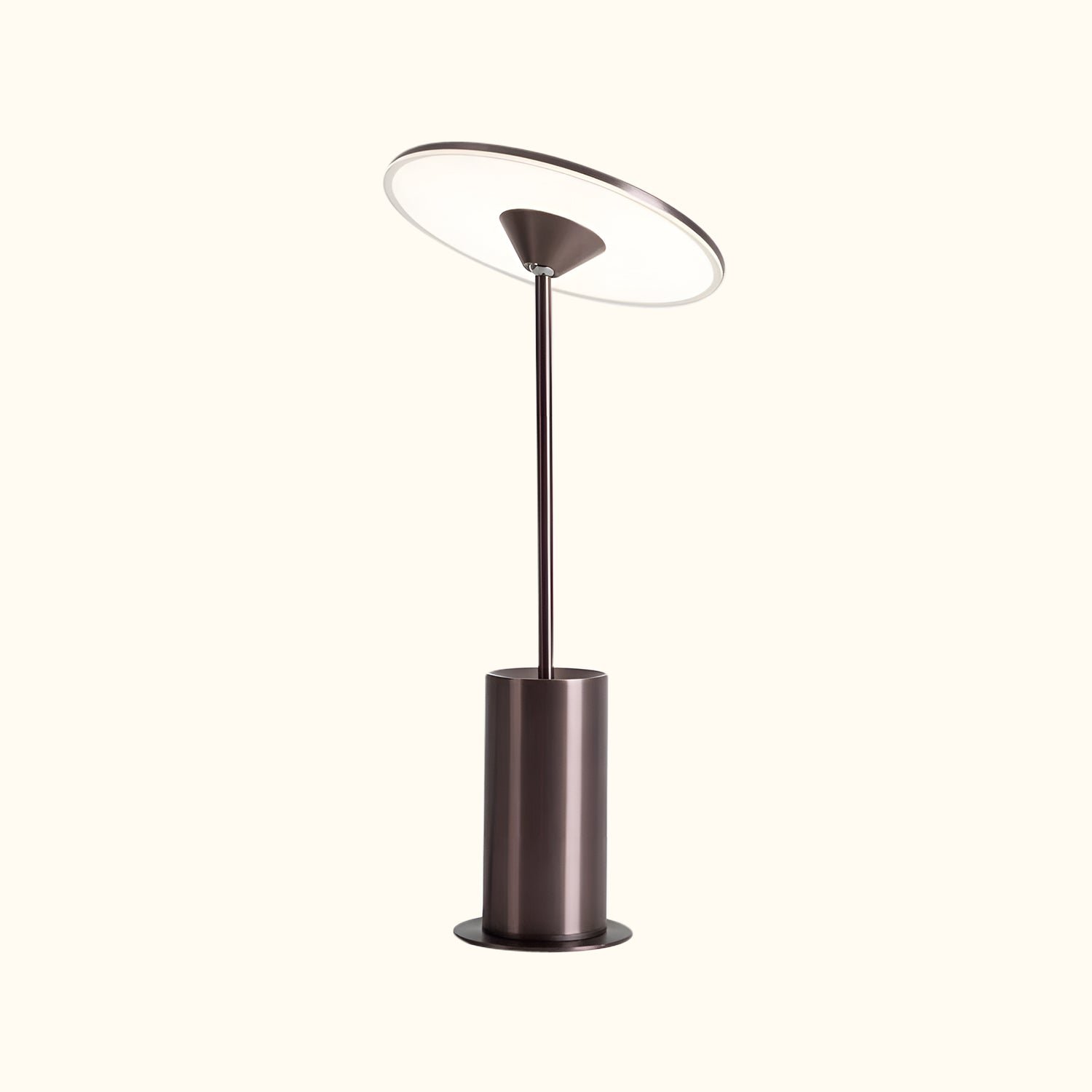
HPL-001444 is a table lamp listed as Aluminum, Optical Acrylic. Its recorded dimensions are D25cm × H52cm, with LED, a listed 12W power value and AC 110–240V input. Its broad tilting luminous disc is a different construction from the glass wall sconce. These examples demonstrate why a generic “clear lighting” or “crystal-style” description is insufficient for purchasing.
Make the sample review specific
| Review item | Information to request |
|---|---|
| Material | Composition of the optical part and supporting frame, identified separately. |
| Appearance | Daylight and illuminated sample photographs; agreed clarity, texture, colour and surface finish. |
| Construction | Optical-part dimensions, fixing points, mounting arrangement and assembly instructions. |
| Maintenance | Model-specific cleaning guidance, access to the light source and replacement-part references. |
| Delivery | Protection for each fragile part, carton arrangement and the inspection reference for the selected configuration. |
Keep the material label attached to each model line. If a proposed alternative changes a glass part to acrylic, request a revised specification and sample approval rather than treating it as an equivalent finish. Neither example above establishes a universal comparison of weight, scratch resistance or lifespan; those questions need evidence for the actual part and use conditions.
Buyer questions
Can I identify glass or acrylic from the product photo?
No. Use the photo to compare form and visible texture, then confirm the written composition and actual sample. A transparent or glossy appearance is not a material test.
Does a crystal-glass label establish a lead content or crystal grade?
No. Ask for the exact composition or grade when it matters to your order. The HPL-001410 record states Crystal Glass+Metal without establishing a particular crystal grade.
Do the listed input voltages prove dimming compatibility?
No. Input voltage, driver, controls and dimming method are separate details. Confirm the selected electrical configuration before approving either model.
Compare a material-led shortlist
Send the HPL model references, intended room, quantities, material requirements and destination market.